
Date: November 14, 2025
Location: Sanur, Bali
As Bali continues to attract global entrepreneurs, investors, and professionals seeking long-term presence in Southeast Asia, one of the most common challenges faced by newcomers is understanding how governance frameworks influence capital security and operational continuity.
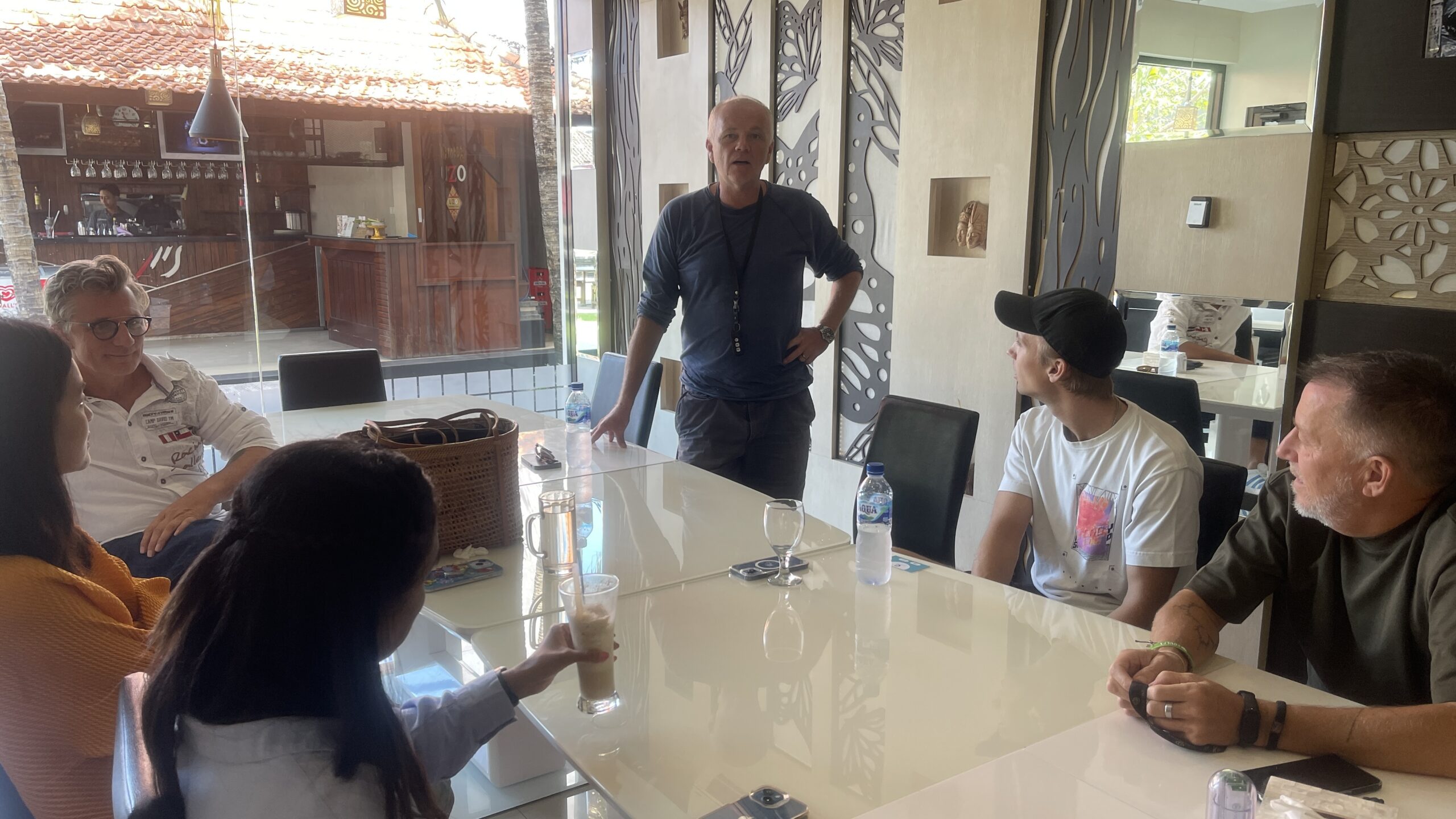
This past Touchstone roundtable brought together a small group of founders, advisors, and cross-border operators to examine how structural decisions made in the early stages of relocation or investment often determine outcomes years later.
The discussion focused on the difference between entering Bali through informal networks and establishing a properly aligned institutional presence. Participants explored how property positioning, corporate structures, and tax considerations interact within Indonesia’s regulatory environment, and how seemingly minor decisions during the early stages of relocation can create significant implications for long-term stability.
Rather than approaching Bali purely as a lifestyle destination, the roundtable emphasized the importance of viewing the island within the broader context of Southeast Asian strategy. Indonesia’s scale, regulatory framework, and economic trajectory require a disciplined approach to governance and compliance, particularly for individuals managing cross-border assets or businesses.
The conversation also addressed the growing disconnect between the narratives often shared within expatriate communities and the structural realities faced by individuals who attempt to formalize their presence in the region. Many participants shared experiences of encountering informal advice that appeared convincing at first but lacked the legal or fiscal grounding necessary for long-term sustainability.
Through open discussion, the session highlighted how experienced operators approach the region differently. Instead of relying on anecdotal guidance, they prioritize credible legal, tax, and infrastructure professionals who can provide clarity on regulatory frameworks and long-term positioning.
The roundtable format allowed participants to explore these issues candidly, creating an environment where strategic questions could be examined openly without the pressure or formality of a larger conference setting.
• Governance structures for operating businesses in Indonesia
• Property positioning and long-term asset protection
• Tax exposure for individuals establishing regional presence
• Distinguishing credible advisors from informal intermediaries
• Bali’s role within broader Southeast Asian strategy
Participants left the session with a clearer understanding that successful positioning in Bali requires far more than administrative relocation steps. Long-term success depends on disciplined alignment between legal structures, fiscal planning, and trusted professional counterparts.
The discussion reinforced a central principle behind Touchstone’s approach: meaningful outcomes rarely come from casual introductions or fragmented advice. They emerge from structured engagement between individuals who operate at a decision-making level and who approach cross-border positioning with long-term strategic discipline.