
Relocation & Lifestyle · 18 November 2026
Bali's 2026/27 Rainy Season: A Practical Guide for Residents, Renters and Villa Owners
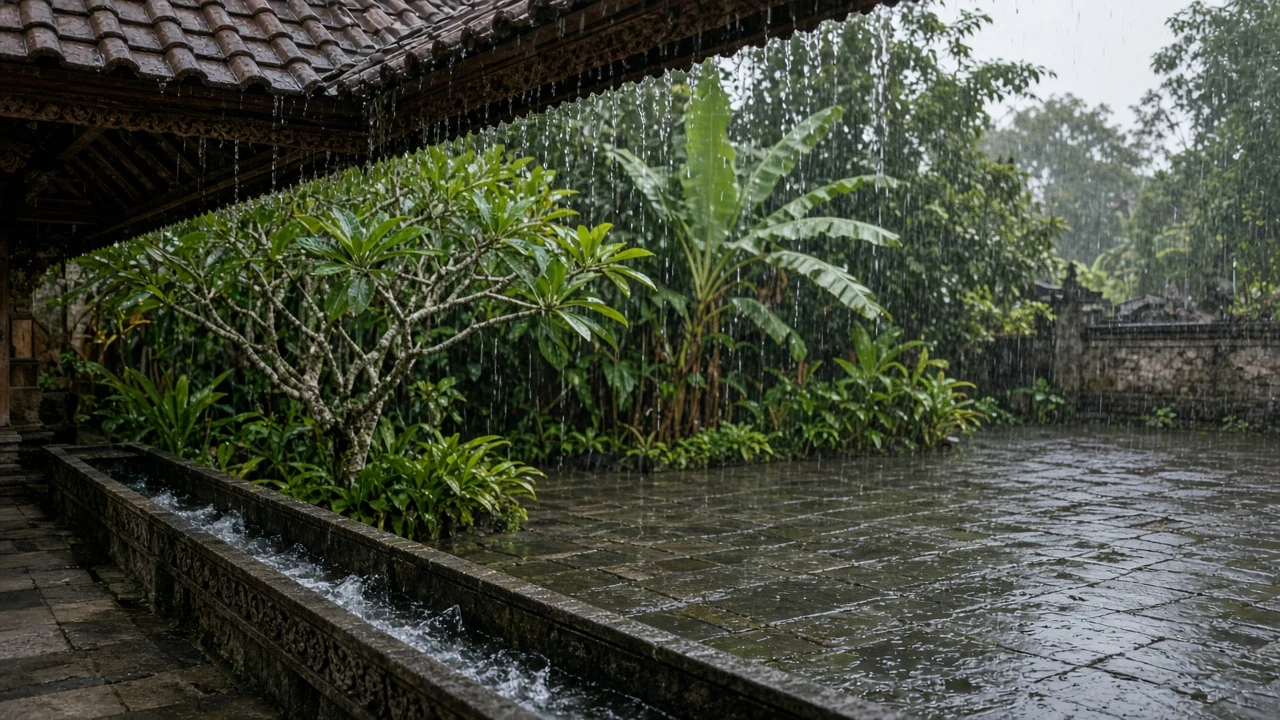
The first heavy downpours of the season arrived in south Bali on the night of 16 November 2026. By the next morning, the provincial disaster agency had logged seven flooding incidents across Denpasar, Badung and Gianyar, including standing water on Jalan Raya Seminyak, Jalan Pantai Legian and Jalan Gatot Subroto Tengah. The water drained away within hours, and officials described the situation as under control. It was still a useful reminder that the wet months are about to begin in earnest.
If you live in Bali, rent a villa here, own property you visit a few times a year, or are planning to move during the coming months, this guide explains what the official forecasts say about the 2026/27 rainy season and what you can sensibly do now to prepare your home, your daily routine and your plans.
Quick answer: when does Bali's rainy season start this year?
According to Indonesia's Meteorology, Climatology and Geophysics Agency (BMKG), the 2026/27 rainy season in Bali is arriving later than usual and in stages. Central Bali is expected to enter the rainy season in mid to late November 2026, while most of western, northern, eastern and southern Bali is expected to follow in December 2026. Nationally, BMKG expects the peak of the season to run from December 2026 to February 2027, with rainfall in the normal range overall but concentrated into a shorter period.
Key takeaways
The season is late. BMKG's Bali climatology station notes that most of Bali would normally start the rainy season in early October.
Only 3 of Bali's 20 seasonal zones, about 15 percent of the island, were forecast to start in November. The other 17 zones are expected to start in December.
The season is forecast to be relatively short, lasting about four months until April 2027.
BMKG has named southern Buleleng, Jembrana, southern Karangasem and Denpasar as areas to watch for flooding, and Karangasem, Bangli and Buleleng for landslides.
Local health offices recorded far fewer dengue cases in 2026 than in 2025 but warn that cases usually rise again once regular rain returns.
What the official forecasts actually say
Most rainy season advice about Bali is generic. This year there is specific, official information worth knowing.
A delayed start that arrives zone by zone
BMKG divides Bali into 20 seasonal zones, known as zona musim or ZOM. At a briefing for local governments in September, the agency forecast that only 3 zones would begin the rainy season in November 2026 and the remaining 17 in December, according to a summary published by the Denpasar city communications office. The same briefing indicated a shorter season than usual, lasting roughly four months to April 2027.
That explains why late October and early November felt confusing. Heavy afternoon rain fell in Tabanan, Denpasar and parts of Gianyar and Klungkung, yet BMKG said Bali was still officially in the dry season. As Aminudin Al Roniri, head of BMKG's Bali climatology station, explained to Kompas, BMKG monitors rainfall over two ten day periods before confirming the start of the season, so a day or two of storms is not enough.
Where the risks are concentrated
BMKG's forecast puts 14 of Bali's zones in the normal rainfall category and 6 above normal, with above normal rainfall expected in northern Buleleng and eastern Karangasem, as detikBali reported. Based on past events, the agency asked people to pay attention to flood risk in southern Buleleng, Jembrana, southern Karangasem and Denpasar, and to landslide risk in the hilly regencies of Karangasem, Bangli and Buleleng. Above normal rainfall does not automatically mean flooding, BMKG stressed, but it is one factor to weigh in places with a history of floods.
For the south, more detailed mapping comes from the Bali Penida River Basin Office (BWS Bali Penida), which analysed three river basins ahead of the season. As reported by Bali Post, the Ayung basin showed the largest potential inundation area at 754.36 hectares across 28 villages, followed by the Mati basin at 725.11 hectares across 15 villages and the Badung basin at 200.73 hectares across 9 villages. Around 60 percent of the potential inundation lies close to rivers. Locations singled out for attention included Jalan Gajah Mada and Jalan Pura Demak in Denpasar, Jalan Dewi Sri in Kuta, Jalan Kunthi in Seminyak, the Dewa Ruci underpass and Jalan Hasanudin.
The same report noted that the flash flood that hit Denpasar on 10 September 2025 damaged river embankments on Tukad Badung, Tukad Mati and Tukad Ayung, and that sediment dredging along one kilometre of Tukad Badung had been completed ahead of this season.
The first floods were about drainage
The incidents on 16 and 17 November give a realistic picture of what most residents will experience. The head of the provincial disaster management agency (BPBD Bali), I Gede Agung Teja Bhusana, told ANTARA that the water receded once the rain stopped and that the problem was drainage that was not flowing well. Seven of the eight incidents recorded that night were localised flooding. The eighth was a broken tree branch in Tabanan. No casualties were reported.
At the same time, parts of Bali remain dry. BPBD reported that the Kubutambahan and Tejakula districts in Buleleng were still under the highest drought alert level, a sign of how uneven this transition is.
Preparing your home
Most rainy season damage in Bali homes is not dramatic. It is water finding its way in slowly through blocked gutters, overflowing drains, tired roof tiles and poorly sealed openings, followed by damp and mould. A few checks now can save a great deal of disruption later.
Clear drains and gutters. BPBD Bali's own seasonal advice asks residents to keep drains and channels free of rubbish. Check roof gutters, downpipes, garden drains and the channel outside your gate, especially after the first storms wash debris into them.
Look up. Check ceilings and the tops of walls for fresh stains, and ask for loose or cracked roof tiles to be repaired before the December peak rather than during it.
Trim overhanging trees. Strong winds often accompany heavy rain. BPBD has written to regency and city governments about tree pruning and drain maintenance, and the same logic applies to large branches over roofs, cars and power lines on your own property.
Protect electrics. Raise power strips, routers and appliances off ground floors that have flooded before. BPBD also advises unplugging appliances and putting out burning incense before leaving the house.
Plan for damp. Rooms that stay closed in humid weather are the most likely to grow mould. Ventilation, regular airing and dry storage for documents, electronics and clothing make a noticeable difference.
Check the pool and garden. Make sure overflow points work and that heavy rain cannot push pool or garden water towards the house.
If you rent
Take dated photos of any existing stains, cracks or damp patches now, and report new leaks to your landlord or property manager in writing as soon as they appear. Clarify who is responsible for gutter cleaning, roof repairs and pump maintenance before the heaviest months arrive. A short written note agreed by both sides prevents most disputes later.
If you own property you are away from
Owners who spend part of the year elsewhere are often the last to learn about a leak. Arrange for someone you trust to inspect the property after major storms, confirm that drains and pumps are serviced, and agree in advance what repairs they can authorise without waiting for you. If the property is let, confirm how your manager will handle guest bookings if access roads flood.
If you are looking for a home or property this season
The rainy season is, in one sense, the best time to view property in Bali. A villa that looks perfect in August can reveal very different qualities after a week of storms.
Try to visit during or shortly after heavy rain, and look at the access road as well as the house.
Ask neighbours, a local banjar representative or the person who maintains the property whether the street or the plot has flooded before.
Note how close the property sits to a river or low lying former rice field. The BWS mapping shows that most potential inundation in south Bali lies near rivers.
Look for signs of past water damage, such as tide marks on walls, fresh paint low on walls or warped door frames.
For a purchase or long lease, treat flood exposure as part of your wider due diligence alongside documents, zoning and approvals.
Our earlier guide, Beyond the Listing: Why a Property Information Pack Matters in Bali, explains how to organise the information you should gather before committing to a property, including access, utilities and property condition.
Health: dengue and the wet months
Dengue is the health issue most closely linked to the rainy season in Bali, because rainwater collecting in containers creates breeding sites for mosquitoes. The good news is that 2026 has been a much calmer year. Bali's Provincial Health Office recorded 1,588 dengue cases and 2 deaths up to 31 July 2026, compared with 9,116 cases in the same period of 2025, as reported by NusaBali. In Denpasar, the city health office counted 193 cases from January to October 2026 against 1,268 in the same period of 2025, according to Bali Post.
Health officials are clear that this is no reason to relax. The provincial office noted that cases fell as the previous rainy season ended and can rise again when the rain returns. Denpasar's health office pointed specifically to rainwater collecting in buckets, flower pots, old tyres and other open containers.
The World Health Organization notes that the mosquitoes that spread dengue are active during the day. Its general prevention advice includes clothing that covers as much of the body as possible, window screens, repellents containing DEET, picaridin or IR3535, and covering, emptying and cleaning water storage containers every week. This is general information, not medical advice. If you or someone in your household develops a high fever, speak to a doctor promptly rather than waiting it out.
Getting around safely
Wet roads, poor visibility and flooded underpasses add risk to an already busy road network. Bali Police recorded 8,151 traffic accidents from January to October 2026, 20 percent more than in the same period last year, with 449 people killed, according to ANTARA. Police are also running the Zebra Agung traffic operation from 16 to 29 November 2026, with a particular reminder to foreign nationals to obey traffic laws.
In practical terms, allow extra time when storms are forecast, avoid riding a scooter through standing water whose depth you cannot see, and be cautious around known flooding points such as underpasses. If you are travelling by boat, BMKG has also issued warnings about high waves in southern Bali waters during the seasonal transition, so check conditions before crossing.
Where to find reliable updates
Rumours spread quickly in community chat groups during storms. For decisions that matter, go to the official sources first.
BMKG early warnings. BMKG publishes warnings for extreme rainfall, tropical cyclones, coastal flooding and more on its early warning page. It also provides short range rainfall nowcasts at subdistrict level for the next three to six hours, as the agency explained in its 9 November 2026 statement.
Info BMKG app. The agency's official Info BMKG app puts forecasts and warnings on your phone.
BPBD Bali. The provincial disaster agency posts ten day weather outlooks and early warnings for Bali, such as its outlook for 11 to 20 November 2026.
Much of this information is published in Indonesian. If that is a barrier, it is worth finding a local contact, neighbour or adviser who can help you interpret warnings when they matter.
Frequently asked questions
Is the rainy season a bad time to visit or move to Bali?
Not necessarily. Rain in Bali often comes in heavy bursts rather than all day, and daily life continues. It does mean planning around storms, expecting some localised flooding in busy areas, and choosing accommodation with good drainage and access.
Which months are wettest this season?
BMKG expects the national peak of the 2026/27 rainy season from December 2026 to February 2027, and the season in Bali to last until around April 2027.
Which parts of Bali are most at risk of flooding?
BMKG has highlighted southern Buleleng, Jembrana, southern Karangasem and Denpasar for flood risk. In the south, BWS Bali Penida's mapping shows that most potential inundation is close to the Ayung, Mati and Badung rivers. Risk varies street by street, so local knowledge matters.
Should I worry about dengue?
Dengue cases in Bali were much lower in 2026 than in 2025, but health offices expect a possible rise during the rainy season. Removing standing water around your home and avoiding daytime mosquito bites are sensible precautions. Anyone with a high fever should see a doctor.
Continue exploring
Beyond the Listing: Why a Property Information Pack Matters in Bali
A Trusted Support Network for Life in Bali: A Client's Story
Have a question about living in Bali?
Whether you are settling into a rental, looking after a property from overseas or weighing up a home before you commit, it helps to have someone local to ask. If you would like to talk through your situation, you can get in touch with Touchstone.
By Touchstone Bali. Published 18 November 2026. Forecasts and conditions change; check BMKG and BPBD Bali for the latest official information.
References
Musim Hujan Bali 2026-2027 Diprediksi Dimulai November, Diskominfos Kota Denpasar.
Hujan Mulai Guyur Bali, BMKG Prediksi Musim Hujan Mundur hingga Desember, Kompas.com, 28 October 2026.
Bali Diguyur Hujan, BMKG Sebut Masih Musim Kemarau, detikBali, 2 November 2026.
Awal Musim Hujan Mulai November, BMKG Ingatkan 4 Wilayah Bali Rawan Banjir, detikBali.
BMKG Siapkan Langkah Antisipasi Hadapi Potensi Bencana Hidrometeorologi Jelang Musim Hujan 2026/2027, BMKG, 9 November 2026.
Peringatan Dini Cuaca/Iklim Dasarian II November 2026 Provinsi Bali, BPBD Provinsi Bali, 11 November 2026.
BPBD Bali: Dampak banjir peralihan musim masih terpantau terkendali, ANTARA News Bali.
Diguyur Hujan Semalam, Delapan Titik Bencana Didominasi Banjir Terjadi di Bali, Bali Post, 17 November 2026.
BWS Petakan Puluhan Desa Berpotensi Terdampak Banjir di Denpasar dan Badung, Bali Post, 29 October 2026.
2026 Kasus DBD di Bali Turun Drastis, Diskes Minta Tetap Waspadai Potensi Lonjakan Saat Musim Hujan, NusaBali.
Musim Hujan, Masyarakat Diimbau Waspada DBD, Bali Post, 5 November 2026.
Dengue and severe dengue fact sheet, World Health Organization.
Bali police chief urges foreigners to obey traffic laws, ANTARA, 16 November 2026.
BMKG warns Jembrana of extreme weather and high waves, The Bali Observer.
Peringatan Dini, BMKG.
Info BMKG, Google Play.